
Mid-Century Homes in Melbourne: What Makes Them So Special?
Across Melbourne, mid-century homes have developed a loyal following and it’s not hard to see why. Built primarily between the late 1940s and early 1970s, these houses reflect a moment in time when architecture became more relaxed, practical and connected to the landscape.
Many of these homes were designed for post-war family life. They prioritised light, practicality and a strong relationship between indoor and outdoor spaces. While they’re often modest in size compared to newer homes, the design thinking behind them remains incredibly relevant today.
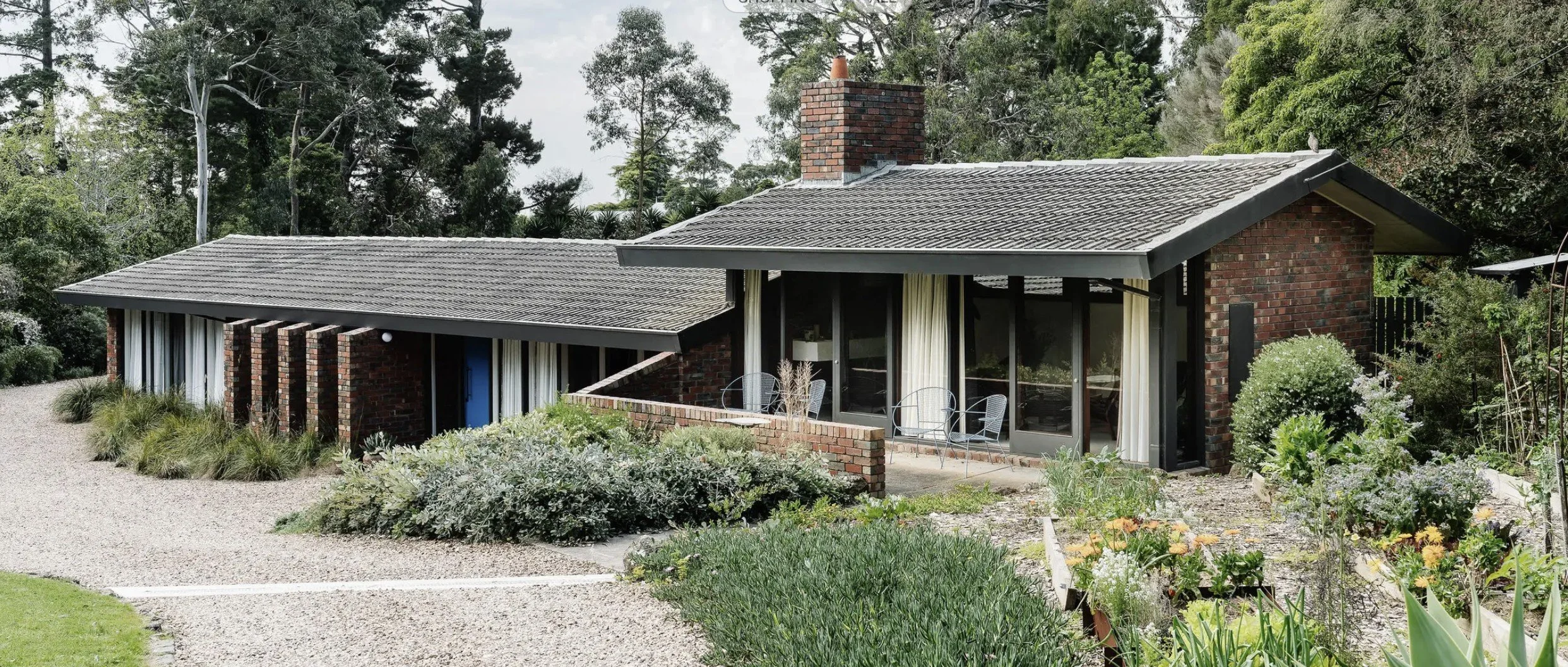
A fantastic example of mid-century design in Frankston South.
The Design Principles Behind Mid-Century Homes
Mid-century architecture embraced simplicity and functionality. Rather than decorative detailing, the focus was on clean lines, natural materials and thoughtful planning.
Common characteristics include:
Low, horizontal rooflines
Large windows designed to maximise natural light
Open-plan living spaces
Split-level or sunken lounge areas
Exposed timber beams or ceilings
Strong connections to gardens and courtyards
These homes were designed to feel calm and connected to their surroundings. Living spaces often open directly to outdoor areas, allowing the landscape to become part of daily life.
Materials That Defined the Era
One of the defining features of mid-century homes is their use of honest, natural materials. Many original homes still feature beautiful details that are difficult to replicate today.
You might find:
Brick combined with timber cladding
Timber wall panelling
Mosaic or terrazzo flooring
Slimline cabinetry
Feature brick fireplaces
Internal glazing between rooms
These elements were often used in simple but effective ways, creating homes that feel warm and grounded rather than overly polished.
Why These Homes Still Work Today
The design thinking behind mid-century homes has aged remarkably well. They prioritise:
Natural light
Efficient use of space
Indoor outdoor living
Simple, practical layouts
For many homeowners, the appeal lies in the potential to restore and gently evolve these homes while keeping their character intact.
Mid-Century Homes Across Melbourne
Melbourne has many pockets where mid-century architecture is particularly strong. Suburbs such as Beaumaris, Parkdale, Mount Waverley, Doncaster and Frankston South all contain excellent examples from this era.
Many of these homes remain largely original, which presents a wonderful opportunity for thoughtful restoration. Stunning examples of a “Bush Modern” approach are dotted throughout the Eastern Suburbs, including Warrandyte and Eltham.
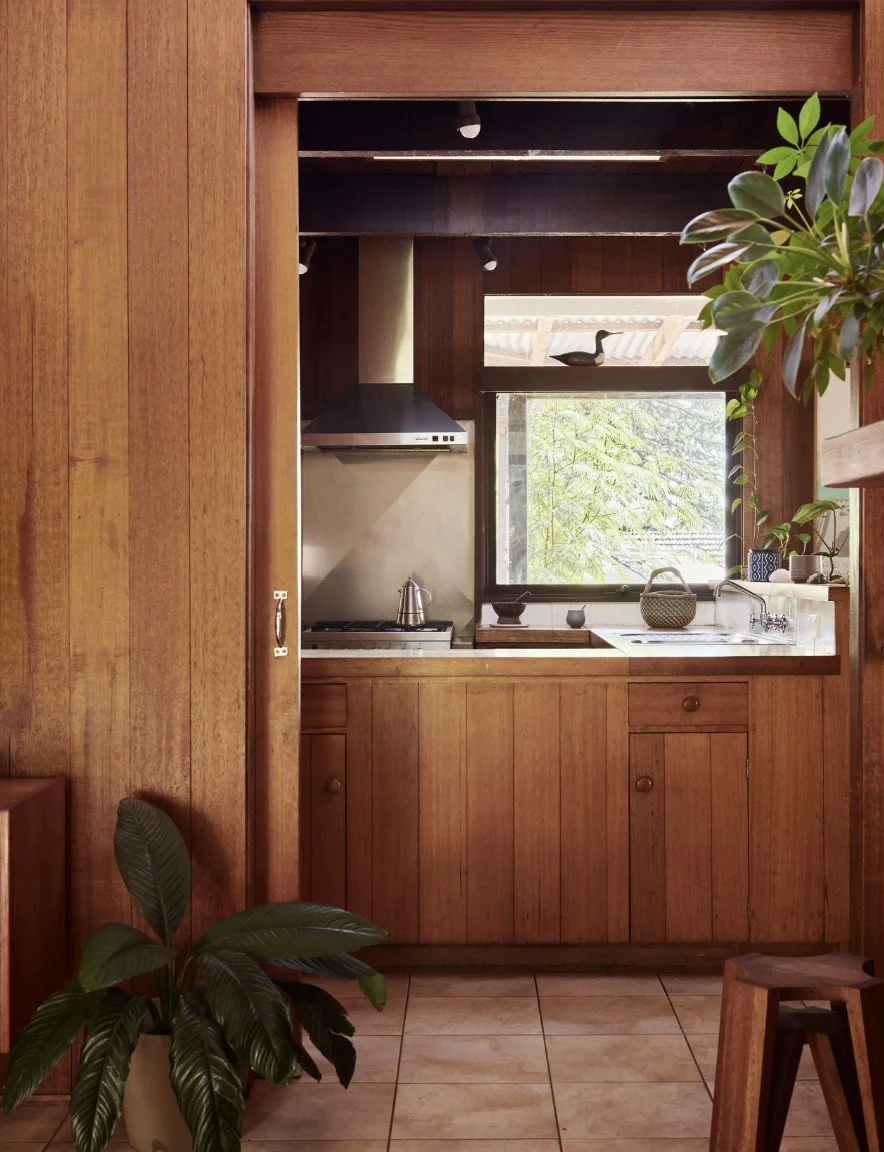
An original Alistair Knox kitchen.
Restoring Rather Than Renovating
One of the most important considerations when working with mid-century homes is respecting the original architecture.
Rather than completely reinventing the home, a more sympathetic approach focuses on restoring key elements and building on what already works.
In the next article in this series, I explore how to restore a mid-century home without losing its character, including which features are worth preserving and the common mistakes that can dramatically change the feel of these homes.
If you're planning your own restoration of a mid-century beauty in Melbourne and want clarity on what your specific project might involve, a tailored scope conversation is always the best first step. Start the conversation here.
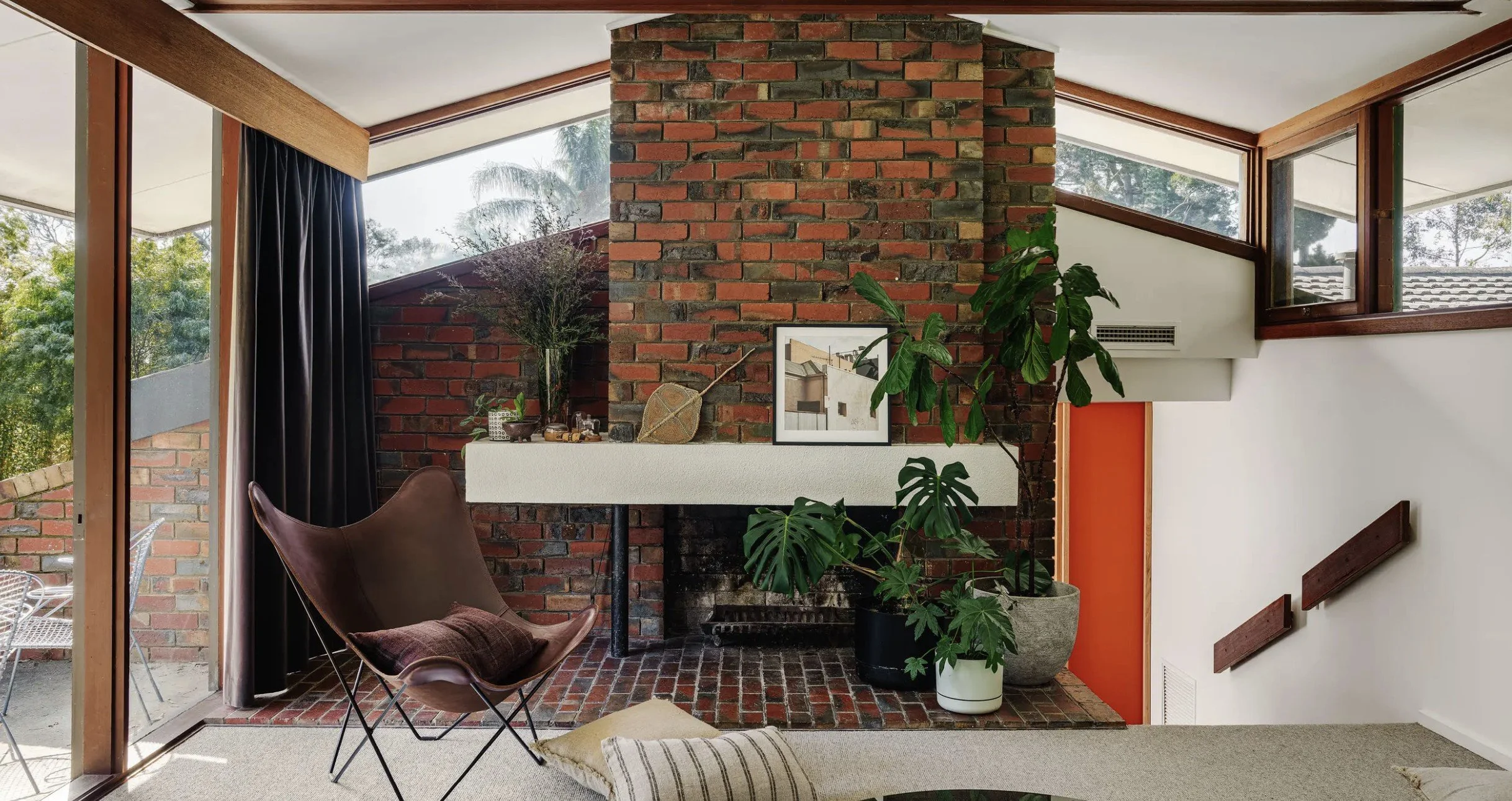
Brickwork and large glazing were strong features of mid-century homes.