
Mid-Century Homes in Melbourne: How to restore without losing character?
Buying a mid-century home often comes with a dilemma. On one hand, you want to update the house to suit modern living. On the other, you don’t want to erase the very qualities that made you fall in love with it.
Restoring a mid-century home is less about dramatic change and more about working with the architecture that already exists.
If you haven't already, it helps to start by understanding the key characteristics of these homes, which I covered in my article on what makes mid-century Melbourne homes so unique.
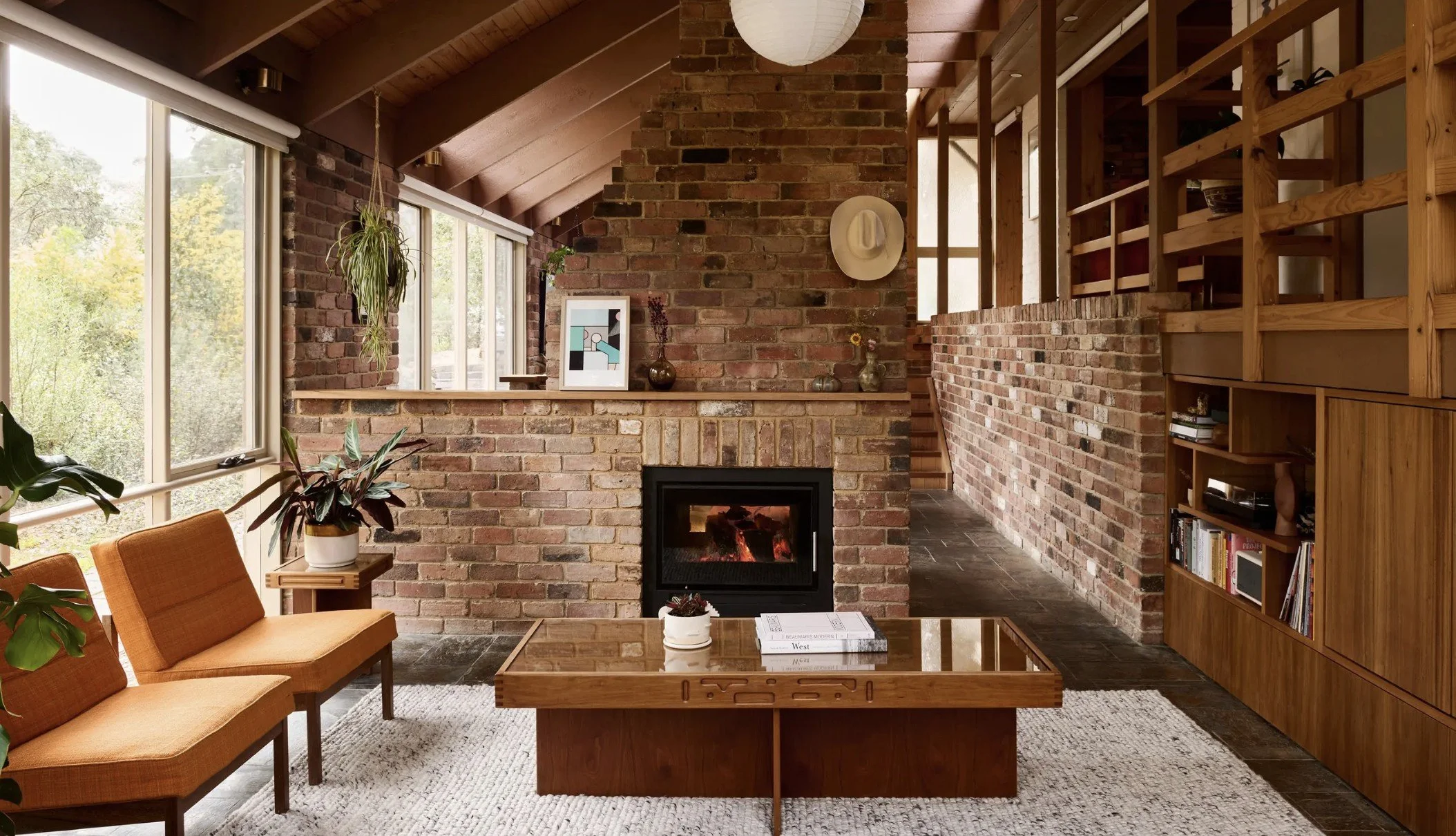
Original timber and brick details have been retained to great effect in this Melbourne home.
Start With What’s Already There
Many mid-century homes still contain original materials that are both beautiful and durable. Before making any major decisions, it’s worth taking a closer look at features such as:
Timber wall panelling
Exposed beams or ceilings
Brick fireplaces
Vintage tiles
Original cabinetry
These elements often form the architectural backbone of the home. Preserving them can instantly retain the character of the space.
What’s Worth Keeping
Some features are particularly valuable in mid-century homes and are worth restoring where possible.
These include:
Terrazzo or mosaic flooring
Internal glazing or sliding doors
Feature brickwork
Timber joinery
Original window proportions
Even when these elements need repair, restoring them often creates a much more cohesive result than replacing them entirely.
Common Mistakes to Avoid
One of the biggest risks when updating a mid-century home is applying a design approach that doesn’t align with the architecture.
Some common missteps include:
Removing internal character walls that define the layout
Painting over timber features that were designed to add warmth
Replacing natural materials with glossy or synthetic finishes
Introducing overly ornate details
These homes were designed with simplicity in mind. Keeping that restraint is key.
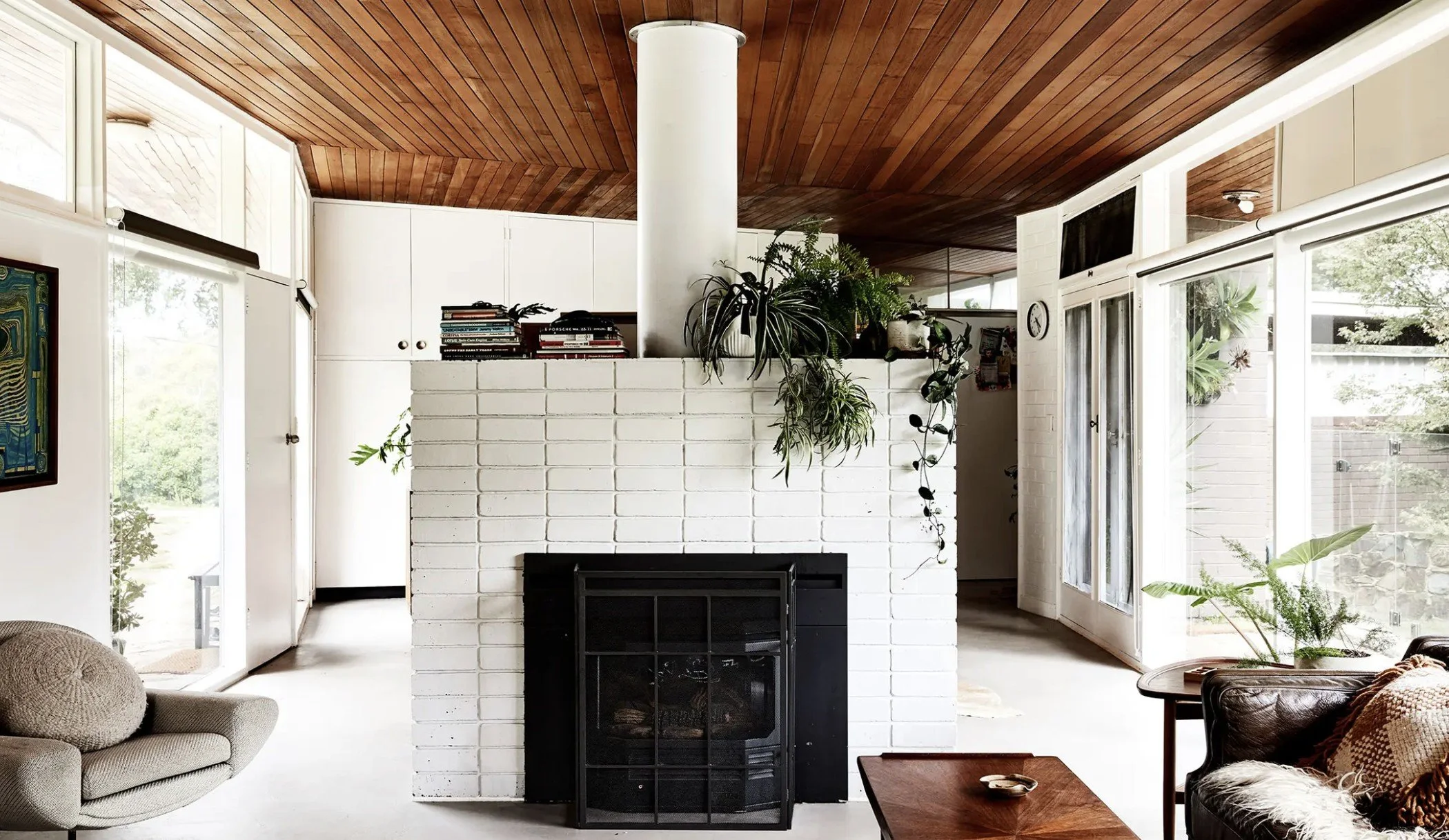
Original fireplaces should be heroed in a restoration.
Adapting the Home for Modern Living
Of course, restoration doesn’t mean leaving everything untouched. There are many ways to carefully update these homes while keeping their spirit intact:
Improving insulation and glazing
Opening up key living areas where appropriate
Designing kitchens and bathrooms that reflect the era’s materials
Strengthening the connection to outdoor spaces
Often, the best results come from refining what’s already there rather than starting from scratch.
In the final article in this series, I explore materials and finishes that suit mid-century homes, including the types of timber, tiles and colours that feel naturally aligned with the era.
If you're planning your own restoration of a mid-century beauty in Melbourne and want clarity on what your specific project might involve, a tailored scope conversation is always the best first step. Start the conversation here.
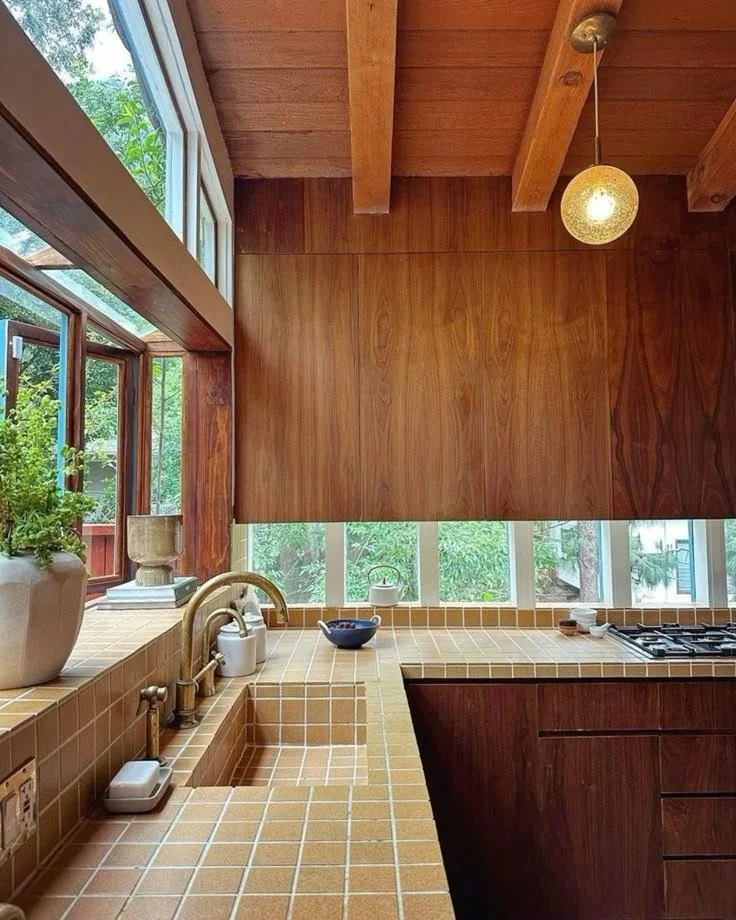
Timber joinery and tiled benchtops were features of many original mid-century kitchens.