
There's probably a room in your home you've been meaning to do something about for years.
Perhaps it's the kitchen that never quite had the right layout. The bathroom that's tired and impractical. Or the living spaces that don't seem to accommodate the way your family actually lives.
You've talked about changing it. Saved a few images. Maybe even had a few conversations with builders. But somehow, the renovation keeps getting pushed down the priority list.
There's always something else to do, another expense to consider or a reason to wait until the timing feels right. And so another year passes.
But how much longer are you prepared to live in a home that doesn't quite support the life you're living?
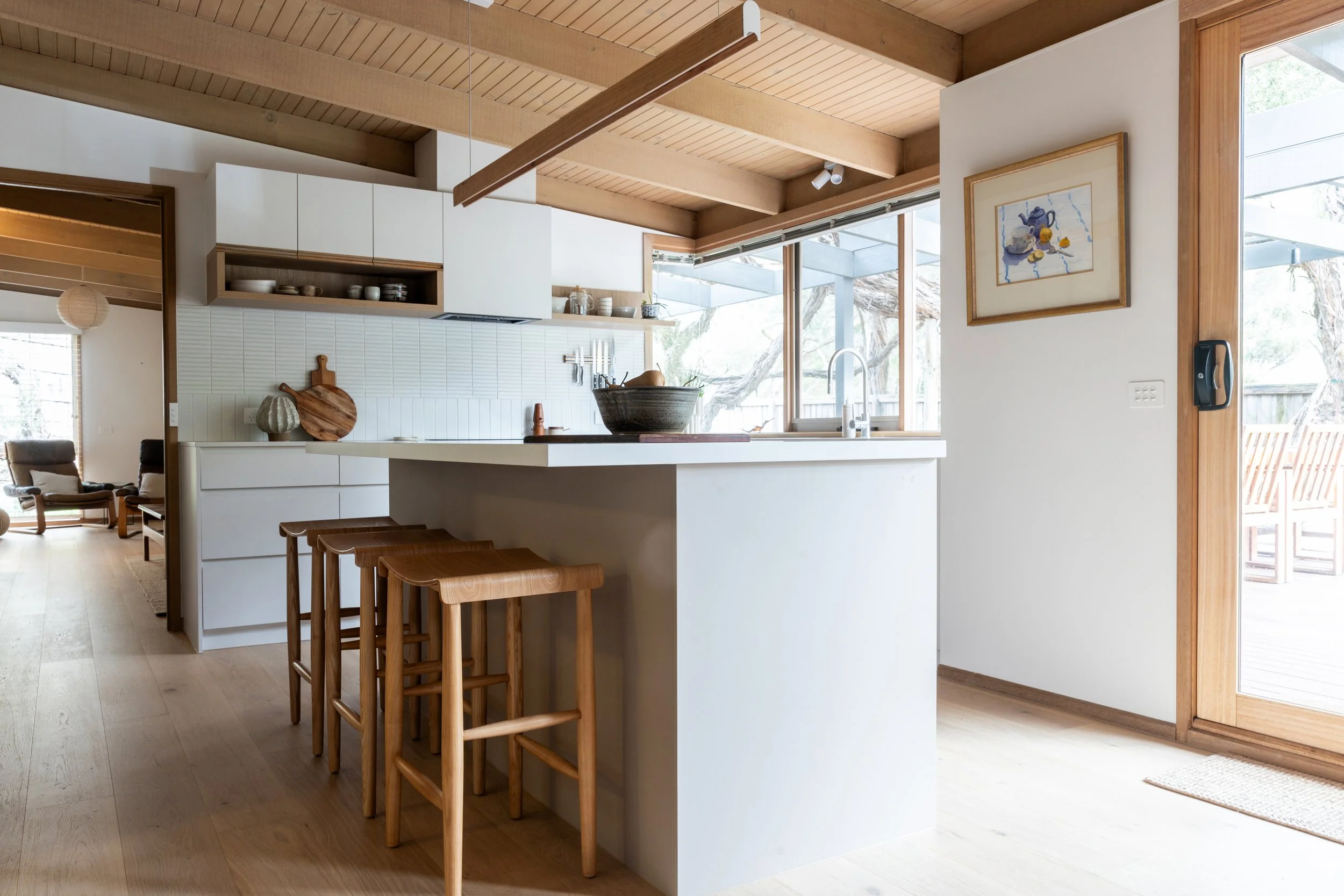
Inala House - what might have been considered a knockdown rebuild by some, became a treasured restoration by Assembly Interiors and Restore Create.
The cost of putting it off.
We tend to think about renovation in terms of its financial cost. It's a significant investment, after all, and one that deserves careful consideration.
But there's another cost that's less obvious.
It's the daily frustration of working around a kitchen that doesn't function properly. The lack of storage that means everything is constantly on display. The living spaces that never quite feel connected. The bathroom that makes the start and end of every day a little less enjoyable than it should be.
Individually, these things might seem insignificant. But over time, they become part of your everyday experience.
Your home should make life easier, not require you to constantly work around its shortcomings.
And while there's no need to rush into a renovation, there's a difference between making a considered decision and indefinitely putting off something you know needs attention.
Waiting for the perfect time.
One of the most common things I hear from homeowners is that they're waiting for the right time to renovate. When work settles down. When the children are a little older. When they have more time to think about it. When they can properly get their heads around the process.
The reality is that there will probably never be a perfect window.
A successful renovation takes planning, clear direction and a willingness to make decisions. It doesn't necessarily require you to have all the answers before you begin.
In fact, that's where professional design support comes in. You don't need to know exactly what your new kitchen should look like, which materials to use or how to resolve an awkward floor plan. You need to know what isn't working, what you'd like to achieve and be open to exploring the possibilities.
The rest can be worked through with the right people around you.
It's not just about making things look better.
A well-considered renovation should do more than update the appearance of your home. It should improve the way you move through it, how spaces connect, how much natural light you enjoy and how effectively your home accommodates the people living in it.
It might mean rethinking an existing layout rather than simply replacing cabinetry. Finding a smarter way to incorporate storage. Improving the relationship between the kitchen and living areas. Or making better use of the footprint you already have.
Sometimes the most successful outcome isn't a bigger home or a more expensive renovation. It's a better use of what you already have.
And importantly, it's a home that feels like yours. Not a collection of rooms borrowed from the latest trend or someone else's renovation.
A good renovation starts well before construction.
The best time to engage a designer isn't necessarily when you're ready to pull out the kitchen. It's when you're ready to start thinking seriously about what your home could become.
Early design input gives you the opportunity to explore options, identify potential problems, establish priorities and make decisions before they become expensive to change. It also gives you a clearer understanding of the scope of work, the investment involved and what needs to happen to get there.
Rather than making decisions under pressure once construction is underway, you can approach the process with a considered plan and a much stronger sense of direction.
That's a far better starting point.
Your home is where life happens. It deserves a little attention.
You don't need the biggest renovation, the newest finishes or an entirely different house to enjoy living at home. But you do deserve spaces that work beautifully, feel considered and support the way you want to live.
If you've been putting off a renovation for months or even years, perhaps it's time to stop thinking about whether you should do something and start exploring what that something could be.
Because another year of working around a home that doesn't quite work is still a decision. It's just one that happens by default.
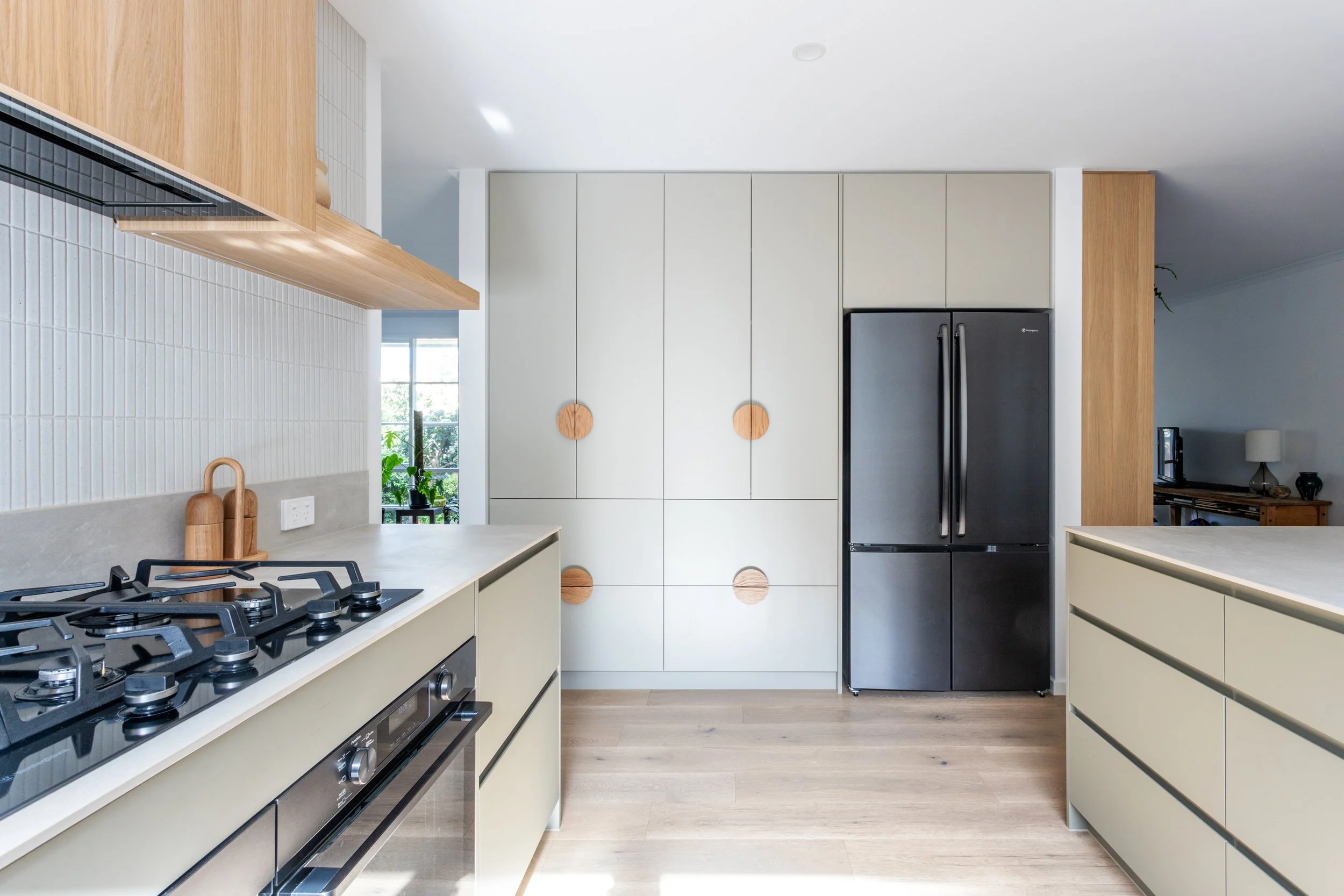
The relationship between designer, builder, cabinet maker and client makes for a successful project, seen here in our Myrtle House project.
Ready to explore what’s possible?
Assembly Interiors works with homeowners across the Mornington Peninsula, Melbourne and Bayside to create considered, functional homes that are designed to last.
Let's start with a conversation about what's not working, and what could. Reach out to see how we can help.