
Why Good Joinery Changes Everything (And How to Get It Right)
There’s a moment in most projects where everything starts to feel real, and it’s usually when the joinery goes in.
It’s also the part of the process that clients are often the least familiar with. What it costs, how it works, and when to engage a cabinet maker can feel… slightly mysterious.
So I sat down with Shobhit and Leyla from Ilm Interiors to talk through how custom joinery actually comes together - from first conversation to final install - and what makes the difference between something that just looks good, and something that genuinely works for your home.
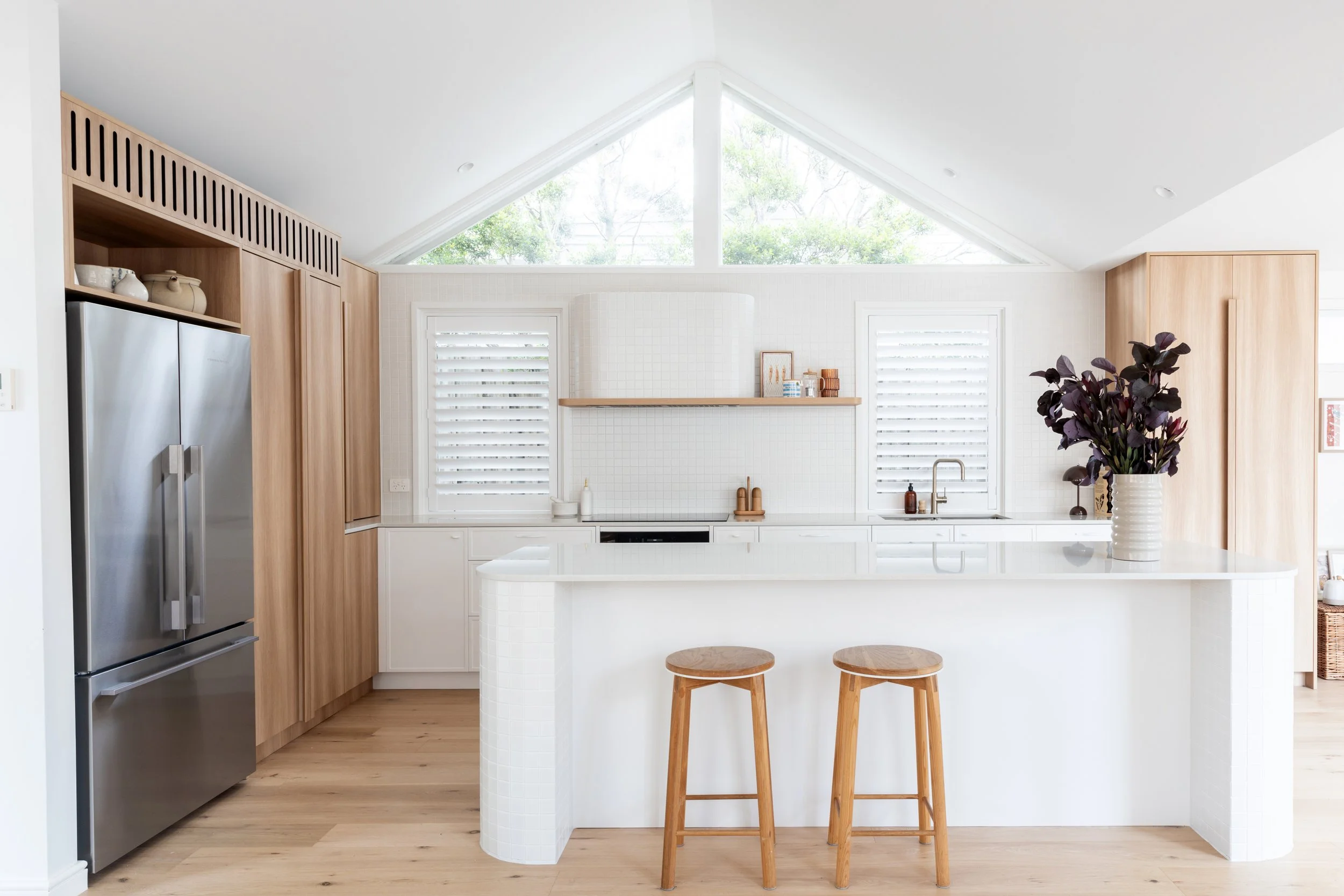
Elster House - a recent collaboration between Assembly Interiors and Ilm Interiors
What does “custom joinery” actually mean to you and how is it different from off-the-shelf solutions?
To us, custom joinery means creating something that is specific to the client and the space it belongs in. Every project has a life before it is built, there’s an idea, a story, and a personality that comes from the homeowner and or designer involved. The difference between off-the-shelf solutions and custom joinery is that the latter is shaped by relationships and collaboration. The process itself involves understanding how someone lives, how they want a space to feel, and then translating that into something physical.
Quality can also be a big difference. Our joinery is manufactured locally in our Seaford workshop, and a significant amount of time goes into the drafting and planning stages to ensure each component is tailored specifically to the project. The construction methods are custom to suit the space and how the cabinetry will be used.
At what point should a client bring a cabinet maker into their project?
Ideally, as early as possible. When we are involved early in the design or material selection stages, we can help with decisions around what is achievable, what will work well long term, and we can also help to value-manage the project depending on the client’s budget. Early involvement also helps avoid too many edits/drafts later.
That said, we can step in at any stage, whether the design is already resolved or still evolving, but projects can run more smoothly when the cabinet maker is part of the conversation early.
Can you walk us through your typical process - from first conversation through to install?
Our process varies depending on whether we are working directly with homeowners or alongside designers and architects, but usually it begins with a conversation around how the space needs to function, the aesthetic direction, the materials and budget expectations.
If we are part of the design phase, from there we move into design development. This stage is collaborative and allows us to refine the direction while exploring materials and detailing. Once the design direction and estimated costs are approved, we move into detailed documentation. This is where we prepare shop drawings and resolve the finer construction details to ensure everything is ready to manufacture.
Before production begins, we do a final check measure on site. The cabinetry is then manufactured in our workshop, typically over a three to five week period depending on scope.
Installation is organised and carried out followed by final checks to ensure everything meets our standards before completion.
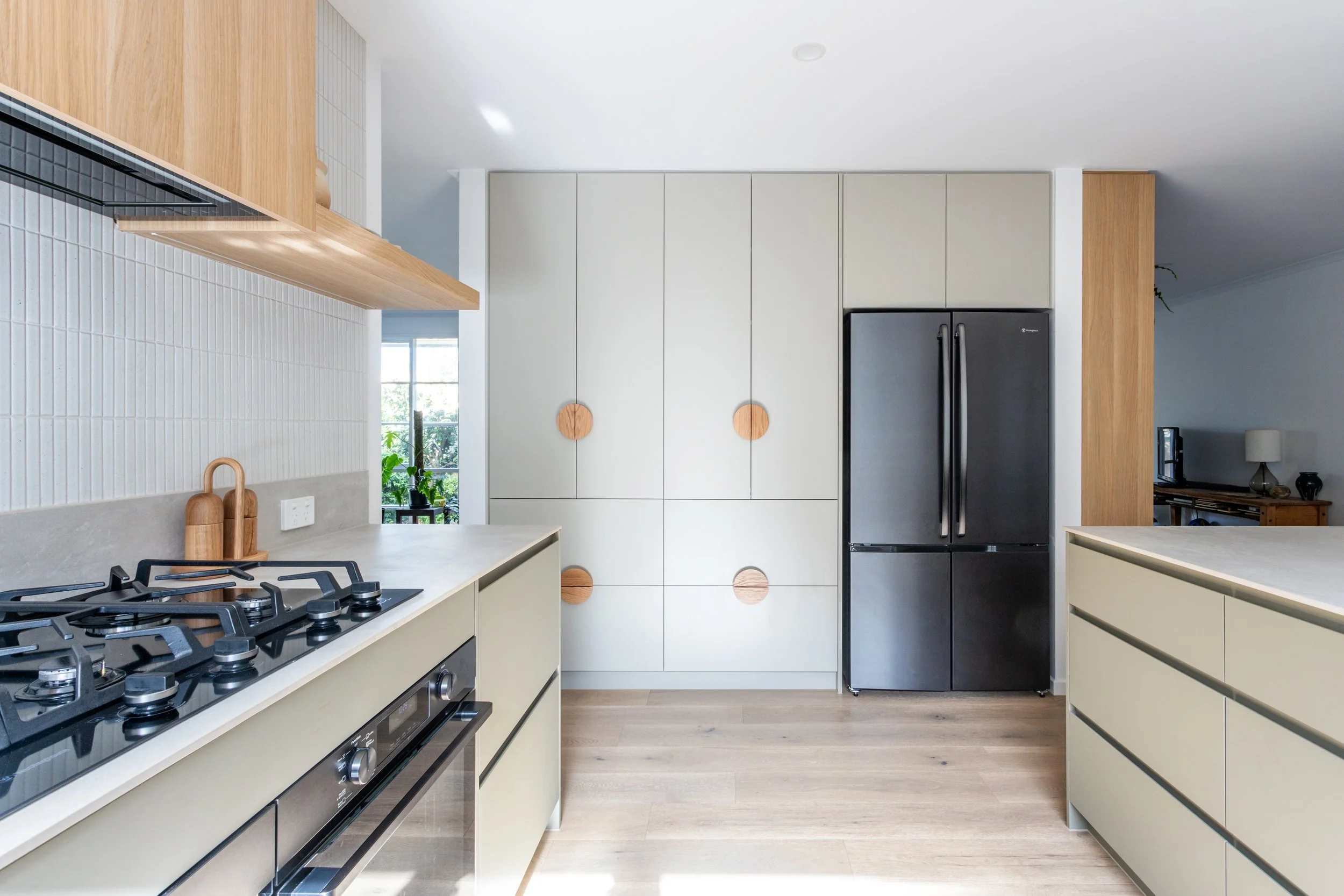
The relationship between designer, cabinet maker and client makes for a successful project, seen here in our Myrtle House project with Ilm Interiors.
What makes a well-designed joinery piece in your eyes, and where do clients sometimes get it wrong?
A well-designed piece is created with consideration for how someone lives. It responds to the client’s habits, their style, and how the space will be used day to day. Good joinery should feel like it belongs in a space. Hardware is a big one. The quality of hinges, drawer systems and internal fittings makes a noticeable difference in everyday use. Internal organisation is another detail that often gets overlooked. It’s very personal to each client so thoughtful storage solutions and intentional internal layouts can completely change how functional a space feels.
Material selection is also critical. When the right materials are chosen the piece not only looks better, the piece lasts and continues to work well over time. Small changes and upgrades in these areas can make a big difference to both the overall experience and longevity of the joinery.
Another mistake can be underestimating the value of the design phase. Working with experienced designers, architects and cabinet makers is so beneficial. And sometimes even save money as great solutions are thought out from the beginning.
How much does material selection impact the final outcome - both visually and practically?
As you can probably tell, we put a lot of importance on material selection, we believe that it has a huge impact on the final outcome. Different materials not only change how a project looks, but also how it performs, how durable it is, and how it feels to live with. Some materials age beautifully, others prioritise durability or practicality. Where possible, we also consider environmental impact and sourcing. In the end, thoughtful material choices can balance aesthetics, performance and longevity.
How do you approach balancing aesthetics with functionality, especially in busy family homes?
Often we find that the most beautiful outcomes come from solving functional problems well. In family homes especially, joinery has to be quite practical and hard wearing but that doesn’t mean compromising on design. We aim to make functional decisions that are intentional and visually resolved, so the space feels calm rather than cluttered. Unless a client is leaning into the beautiful chaos of family life of course then that can be embraced with a designer or us through bolder material choices, warmer textures and more expressive moments that align with the clients taste. Even in this case though functionality and usability is important.
Are there any current shifts or trends you’re noticing in joinery design or materials?
We’re noticing a shift towards natural materials and more considered detailing, particularly solid timber elements and warmer finishes. There’s also a move towards integration, where appliances and storage are becoming more concealed. This creates a more streamlined, simplified look.
At the same time, there’s an element of alignment between what we like to work on and the clients we attract, so our work naturally reflects this direction as well.
For someone considering custom joinery, what’s the one thing they should prioritise or get right from the start?
An alignment with the people you’ll be working with. The relationship between client, designer and maker makes a huge difference to the process and that will follow through to the final result. How could it not. Knowing what you want and need, your ideas, style and also budget leads to better outcomes. We encourage clients to be confident in their own taste. Great projects come to be when people bring their personality to the process. The spaces we send time in affect how we feel every day, so creating something that really reflects you is always worth it!
What always comes through in conversations like this is that good joinery isn’t just about cabinetry - it’s about how your home functions.
When the design and the build are aligned from the beginning, the result is something that feels considered, resolved, and easy to live with. Storage works harder. Materials feel intentional. And the overall space has an effortless energy.
It’s also why bringing the right people into your project early makes such a difference. The best outcomes are never accidental - they’re planned, tested, and refined long before anything is built.
We’re big believers in supporting local and Shobhit’s approach aligns with how we deliver renovations at Assembly Interiors.
See more of their work here: